
Why Bellevue Eyes Feel Irritated Every August: Late-Summer Wildfire Smoke, Air Quality, and Dry Eye Disease
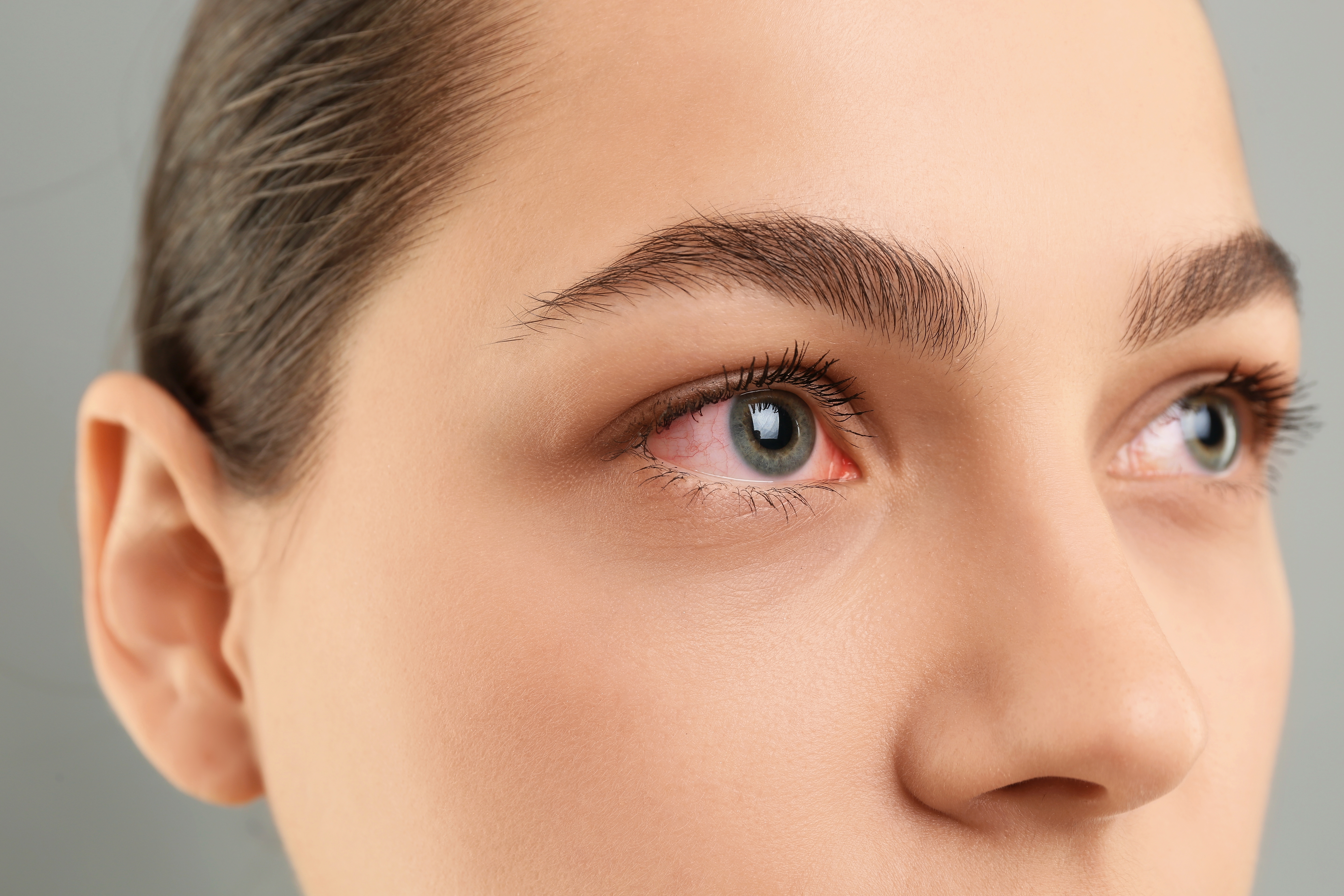
August can be a difficult month in Bellevue. Warmer temperatures, lower humidity, extended air conditioning use, and periods of wildfire smoke can make the eyes feel less comfortable. Even people who usually manage their symptoms well may notice more burning, redness, watering, grittiness, or fluctuating vision.
Wildfire smoke contains gases and fine particles that can irritate the surface of the eyes. These particles may remain in the outdoor air and can also enter indoor spaces. When the tear film is already unstable, exposure to smoke and poor air quality may make existing dry eye symptoms more noticeable.
A healthy tear film coats and protects the front surface of the eye. Dry eye disease develops when the eyes do not produce enough tears, the tears evaporate too quickly, or the tear film becomes unbalanced. Meibomian gland dysfunction is a common contributor because blocked eyelid glands cannot release enough protective oil into the tears.
Late-summer smoke can add another layer of irritation. Fine particles may settle on the ocular surface, while dry indoor air can increase tear evaporation. Rubbing irritated eyes may worsen inflammation and discomfort. Contact lens wearers may also find that their lenses feel dry or difficult to tolerate during poor air quality days.
Signs Your Eyes Need More Than Temporary Relief
Artificial tears may provide brief comfort, but recurring symptoms can point to an underlying tear film or eyelid gland problem. Schedule an eye evaluation when you notice:
- Burning, stinging, or scratchy sensations
- Redness that returns throughout the day
- Excessive watering or mucus around the eyes
- Blurred or fluctuating vision
- Increased sensitivity to light
- Contact lenses becoming uncomfortable sooner than usual
Sudden vision loss, significant eye pain, an eye injury, or severe redness requires prompt medical attention.
Protecting Your Eyes During Bellevue Smoke Events
Check the local Air Quality Index before spending extended time outdoors. When smoke levels are elevated, limit unnecessary outdoor exposure, keep windows closed, and use indoor air filtration when available. Wearing glasses or wraparound sunglasses can provide a physical barrier against airborne particles. Preservative-free artificial tears may help rinse and lubricate the eyes, but avoid using redness-relieving drops as a long-term solution unless directed by an eye doctor. It is also important to avoid rubbing the eyes and follow proper contact lens hygiene. If lenses become uncomfortable, switching to glasses for the day may reduce additional irritation.
Personalized Dry Eye Treatment in Bellevue
Persistent symptoms should be evaluated rather than repeatedly covered up with over-the-counter drops. At Advanced Eyecare Solutions, dry eye treatment begins with comprehensive diagnostics to identify whether symptoms are related to tear evaporation, inflammation, meibomian gland dysfunction, or ocular surface damage.
Treatment can then be customized to the cause and severity of the condition. Options may include home-care recommendations, targeted therapies, TempSure radiofrequency to help release blocked eyelid oils, or amniotic membrane therapy for severe or difficult-to-treat dry eye. This individualized approach is designed to improve tear film function and provide more dependable comfort beyond wildfire season.
Clearer, more comfortable eyes can start with the right care. Schedule a comprehensive dry eye evaluation with Advanced Eyecare Solutions in Bellevue, WA, by calling (425) 671-6788.

All Eye
Care Services
Keep
In Touch
© 2026 Advanced Eyecare Solutions. All Rights Reserved. Accessibility Statement - Privacy Policy - Sitemap